
Florida Amendment 3: What Solivita Voters Should Know Before November 3
Florida voters will see Amendment 3 on the November 3, 2026 general-election ballot. Some residents have informally called it Proposition 3, but the official Florida Department of State listing identifies it as Amendment 3: Increased Homestead Exemption; Lower Cap on Increases in Non-Homestead Property Assessments.
The measure concerns property taxes, but it contains several distinct changes. Understanding those parts separately can help voters evaluate both the possible household savings and the possible effects on local government revenue and services.
What Amendment 3 Would Change
For qualifying homestead property, the amendment would raise the exemption that applies to non-school property taxes to $150,000 in 2027 and $250,000 in 2028. The $250,000 amount would be adjusted for inflation beginning in 2029. School-district property taxes would not receive this larger exemption, so passage would not make a qualifying home entirely property-tax free.
The proposal would also lower the annual assessment-growth cap for non-homestead property from 10% to 5% for levies other than school-district levies. This category can include rental property, second homes and commercial property. A lower assessment cap limits how quickly the taxable assessed value may rise, but it does not necessarily reduce the tax rate.
A residency rule is another important part. People who were not permanent Florida residents by December 31, 2026 would initially receive the existing homestead exemption after qualifying, but generally would not receive the larger exemption until the fifth year of exemption. The measure also directs the Legislature to establish procedures allowing counties and municipalities to increase their exemptions further, potentially up to the remaining assessed value, and permits special districts to do so after voter approval.
Amendment 3 requires at least 60% voter approval. If approved, it would take effect January 1, 2027.
The Main Arguments in Favor
Supporters emphasize direct tax relief for Florida homeowners. A larger homestead exemption would shield more of a primary residence’s assessed value from county, municipal and certain special-district taxes. The actual savings would vary by assessed value and local tax rates, but qualifying owners could keep more of their income for insurance, maintenance, health care and other household expenses.
That argument may be especially meaningful to retirees and other residents living on fixed incomes. Supporters also contend that local property-tax collections have grown and that a constitutional limit would encourage local governments to focus spending on essential services and operate more efficiently.
Owners of rental, vacation and commercial property may also value the lower 5% assessment-growth cap. Supporters say greater predictability could help small businesses and property owners plan for future expenses, even though the amendment does not freeze assessments or tax rates.
The Main Arguments Against
Opponents focus on the size of the revenue reduction. The Legislature’s final bill analysis estimated a $4.95 billion reduction in local non-school property-tax revenue in fiscal year 2027-28, rising to $8.78 billion in 2028-29, with an estimated recurring impact of $11.86 billion in later years.
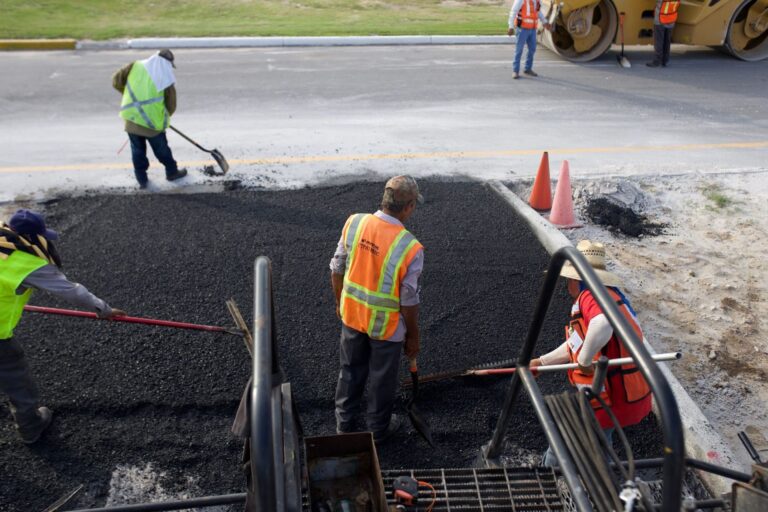
Counties and cities use property-tax revenue for services such as law enforcement, fire rescue, emergency medical response, roads, stormwater work, parks, libraries and government operations. Critics argue that large revenue losses could lead to delayed projects, service reductions, higher millage rates, new assessments or increased fees. Haines City officials, for example, have publicly discussed a projected local impact once the amendment is fully phased in, illustrating why the debate matters in Polk County.
Critics also question who benefits. Renters do not receive a homestead exemption directly, and people establishing Florida residency after the 2026 cutoff generally face the five-year wait for the larger exemption. Some opponents say placing the rules in the state constitution could make future adjustments difficult if local needs or economic conditions change.
Questions to Ask Before Voting
Voters may want to compare their current tax bill with the portions that fund schools and non-school authorities, because the larger exemption would apply only to the non-school side. They may also want to consider how much personal savings they expect, which local services they regard as essential, and whether they are comfortable with the different treatment of current and later Florida residents.
Ballot wording for Amendment 3 was rewritten in August after a court found the original title and summary misleading. Before voting or sharing the proposal, use the current Florida Department of State page and your county Supervisor of Elections sample ballot. Those official sources should control if any description differs from what appears on the final ballot.
How Towns Could Make Up the Difference
If Amendment 3 passes, local governments may need to replace some lost property-tax revenue. Options could include increasing certain permit or service fees, using non-ad valorem assessments for services such as road paving or street lighting, drawing from reserves, or delaying projects. Some communities may also reduce programs or service hours. Any changes would depend on local budget decisions and public hearings.
Share this post